NYT Spelling Bee Answers Today: July 11, 2026
NYT Spelling Bee Answers Today: July 11, 2026
🐝 Today's Pangram
Full Solution List
4 Letters
5 Letters
6 Letters
7 Letters
8 Letters
11 Letters
💡 2-Letter Hint Grid
Use this grid to see how many words start with each 2-letter combination.
Table of Contents
- Today’s ‘T’ Twist: Unraveling the July 11th Grid
- Navigating the ‘Lilliputian’ Labyrinth: Your Path to Queen Bee
- Cracking the Code: July 11th’s Spelling Bee Answers
- Frequently Asked Questions
Today’s ‘T’ Twist: Unraveling the July 11th Grid
Here at WordFinder Tips, we’re always ready to tackle the daily NYT Spelling Bee answers, and today’s puzzle for July 11, 2026, was a real brain-teaser!
Man, that double ‘L’ in ‘lilliputian’ almost had me pulling my hair out trying to find all the words. I don’t know about you, but those longer words with repeated letters can really trip you up!
Navigating the ‘Lilliputian’ Labyrinth: Your Path to Queen Bee
The Power of ‘T’: Center Letter Dominance
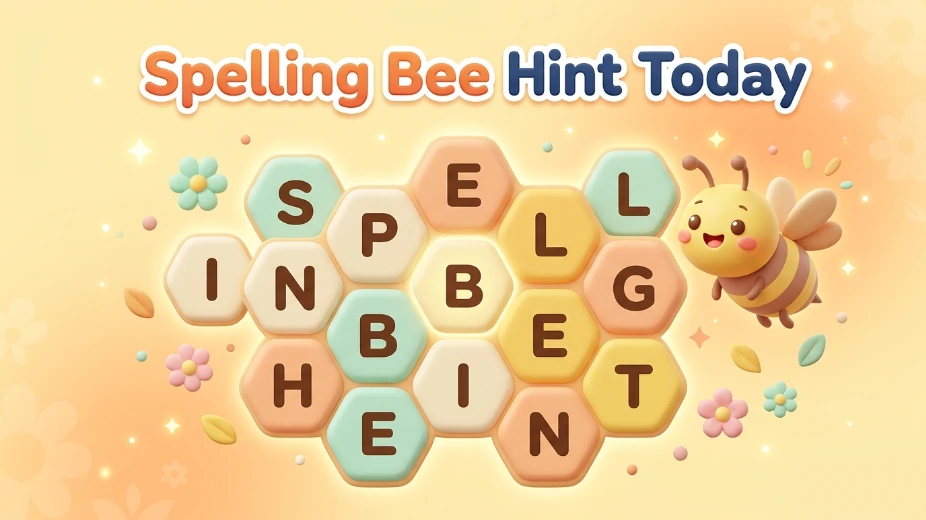
Today’s puzzle puts the letter T right at the heart of the grid, which is often a good sign for word hunters. The letters available were A, I, L, N, P, U, giving us a nice mix of vowels and consonants to work with.
The ‘T’ as the center letter meant many words would start or contain ‘T’ prominently, like ‘tail’, ‘tint’, and ‘titan’. It’s always smart to start by pairing the center letter with each outer letter to see what short words pop out.
Double Trouble & Vowel Traps
The trickiest part of today’s New York Times Spelling Bee answers definitely came from the double letters and the vowel combinations. Words like ‘lilliputian’ with its multiple ‘L’s and ‘I’s, or ‘tutti’ and ‘tutu’ with their repeated ‘T’s and ‘U’s, require careful attention.
Also, the ‘U’ and ‘I’ vowels, when combined with ‘N’ and ‘T’, opened up possibilities for less common words like ‘intuit’ and ‘unapt’. Don’t forget to look for those ‘UN-‘ prefixes and ‘-AL’ suffixes that often appear in these puzzles!
Cracking the Code: July 11th’s Spelling Bee Answers
Ready for the big reveal? Today’s NYT Spelling Bee answers featured two fantastic pangrams, meaning they used every letter in the grid at least once. Finding these is key to hitting Queen Bee!
The first pangram was LILLIPUTIAN. This word refers to something extremely small or diminutive, taking its name from the fictional island of Lilliput in Jonathan Swift’s ‘Gulliver’s Travels’, where everything is tiny. It’s a great example of how literary references can sneak into the Spelling Bee!
Our second pangram was NUPTIAL. This word relates to marriage or the wedding ceremony itself. Think of ‘nuptial vows’ or ‘nuptial bliss’ – it’s a more common word than ‘lilliputian’ but still a great find!
Some other high-scoring words that might have helped you on your way to Queen Bee included INITIAL, meaning existing or occurring at the beginning, and PALATIAL, describing something resembling a palace, in being spacious and splendid. Also, don’t forget words like PLANT, PULPIT, and TILAPIA, which are often overlooked but common enough.
Frequently Asked Questions
- What were the pangrams in today’s NYT Spelling Bee answers? The pangrams for the July 11, 2026, New York Times Spelling Bee puzzle were ‘LILLIPUTIAN’ and ‘NUPTIAL’.
- What’s a ‘lilliputian’ and why was it a pangram today? A ‘lilliputian’ describes something very small or trivial, and it was a pangram because it successfully used all seven valid letters (T, A, I, L, N, P, U) from today’s grid.
- Were there any common prefixes or suffixes to look for in today’s Spelling Bee answers? Yes, players could find success with the prefix ‘UN-‘ (like in ‘unapt’, ‘unlit’, ‘until’) and suffixes like ‘-AL’ (as in ‘nuptial’, ‘initial’, ‘palatal’, ‘palatial’, ‘natal’).