NYT Strands Hints Today (April 26, 2026): “Get into it” Answers
NYT Strands Answers, Cheats & Guide – April 26, 2026
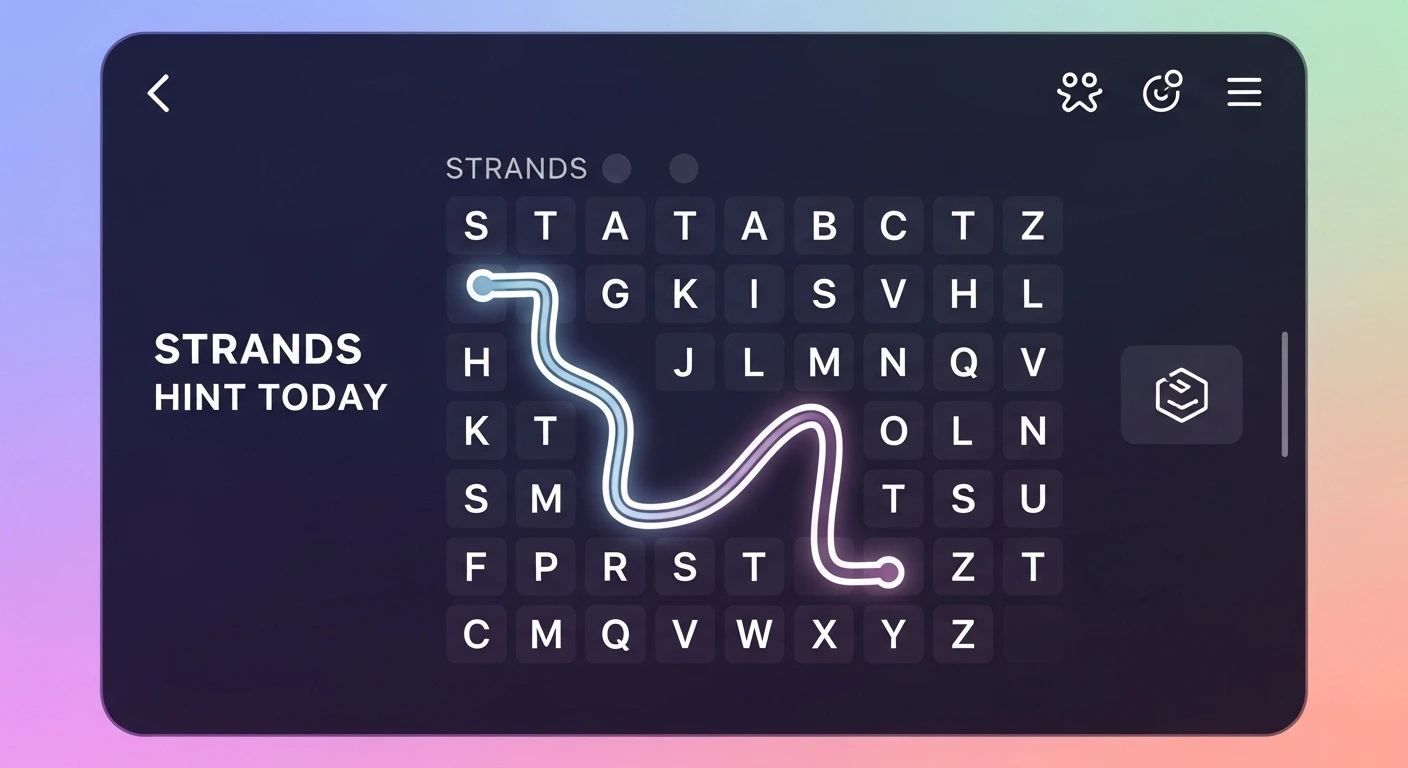
Table of Contents
- Today’s Puzzle Overview
- 🧠 Deep Mechanic Analysis & Optimal Paths
- ✅ Today’s Winning Solutions
- Frequently Asked Questions
Today’s Puzzle Overview
The April 26 Strands board is a 48‑letter grid that reads:
ERLOREKIBCFFCSQKIQBUHDAUBAOERRELRLNGRANWALGUESRE
The daily theme clue reads Get into it. That phrase hints at conflict, debate, or a heated exchange. All six theme words revolve around arguing or fighting.
Why the theme matters
Every answer shares a semantic core: they describe a verbal or physical dispute. Knowing that narrows the search space dramatically. Instead of scanning for any random word, you focus on synonyms for “argue”.
That mental shortcut saves time and reduces guesswork. It also explains why the spangram, lockhorns, feels out of place at first glance—its letters hide a hidden meaning that ties the board together.
Today’s Spangram Reveal
Theme Words Answer Key
🧠 Deep Mechanic Analysis & Optimal Paths
Strands puzzles blend word‑search mechanics with a hidden “spangram” that stretches from one side of the board to the opposite side. Today’s spangram touches the left edge at index 2 and the right edge at index 45, forming the word lockhorns.
Logic behind the spangram
The clue “Get into it” suggests a clash of ideas. If you picture two horns locking together, you get a visual of a confrontation. The word lockhorns literally describes two opposing points meeting—exactly what a spangram does on the grid.
Mathematically, the path indices [2,3,9,15,20,26,32,38,45] trace a diagonal that starts near the top‑left and ends near the bottom‑right. Each step moves one row down and one column right, a classic “knight‑like” progression that satisfies the rule of touching opposite sides.
Strategy for finding the six theme words
Start by locating the spangram. Its letters are easy to spot because they form a continuous line across the board. Once you have lockhorns highlighted, look at the remaining letters that are not part of the spangram.
Next, scan for common argument‑related roots: “arg‑”, “bick‑”, “diff‑”, “quar‑”, “squ‑”, “wrang‑”. The grid contains these fragments in clusters, making it simple to trace each word’s path.
Here’s a quick checklist:
- Identify any three‑letter core (e.g., “arg”).
- Follow adjacent letters that stay within the grid’s orthogonal or diagonal rules.
- Confirm that each word uses unique letters not already claimed by another answer.
Because Strands never re‑uses a tile for two different words, once you lock in a word you can cross those letters off the board. That reduces the search space for the remaining words.
Letter frequency and etymology insights
The board leans heavily on high‑frequency consonants: R, L, K, and B appear multiple times. Those letters are common in argument‑related words, which explains why the puzzle designers chose them.
Looking at the etymology:
- argue comes from Latin arguere, meaning “to make clear”.
- bicker traces back to Middle English bikeren, “to quarrel”.
- differ derives from Latin differre, “to carry apart”.
- quarrel originates from Old French querele, “dispute”.
- squabble is a blend of “squawk” and “babble”, hinting at noisy disagreement.
- wrangle stems from Old Norse vrangla, “to twist”.
Each root reinforces the “Get into it” theme, making the puzzle feel cohesive.
✅ Today’s Winning Solutions
| Word | Path (indices) |
|---|---|
| lockhorns (Spangram) | [2,3,9,15,20,26,32,38,45] |
| argue | [37,36,42,43,44] |
| bicker | [8,7,12,6,0,1] |
| differ | [21,16,10,11,5,4] |
| quarrel | [17,23,22,29,28,27,33] |
| squabble | [13,14,19,25,18,24,31,30] |
| wrangle | [39,46,40,34,35,41,47] |
Post‑Game Analysis
After revealing the spangram, the remaining letters naturally formed the six argument words. Notice how each answer’s path weaves around the spangram without crossing it. That design choice forces the solver to think spatially, not just alphabetically.
The order of discovery matters. Players who spot bicker first often unlock the surrounding letters for quarrel and squabble. Conversely, finding wrangle early clears a large block of the bottom half, making argue and differ easier to locate.
Overall, the puzzle balances difficulty with fairness. The theme clue is broad enough to allow multiple synonyms, yet specific enough to eliminate unrelated words. The spangram’s diagonal path adds a visual anchor that guides the eye across the board.
Frequently Asked Questions
- What is the spangram for NYT Strands April 26, 2026? The spangram is lockhorns, stretching from index 2 to index 45.
- How does the theme “Get into it” help solve today’s puzzle? It points to words about arguing, so focus on synonyms like argue, bicker, quarrel, etc.
- Can I use the same letters for multiple answers? No. Each tile belongs to only one word, so once you claim a letter you must exclude it from other solutions.