NYT Spelling Bee Answers Today: April 18, 2026
NYT Spelling Bee Answers Today: April 18, 2026
🐝 Today's Pangram
Full Solution List
4 Letters
5 Letters
6 Letters
8 Letters
💡 2-Letter Hint Grid
Use this grid to see how many words start with each 2-letter combination.
Table of Contents
- Today’s Puzzle Overview
- 🧠 Deep Mechanic Analysis & Optimal Paths
- ✅ Today’s Winning Solutions
- Frequently Asked Questions
Today’s Puzzle Overview
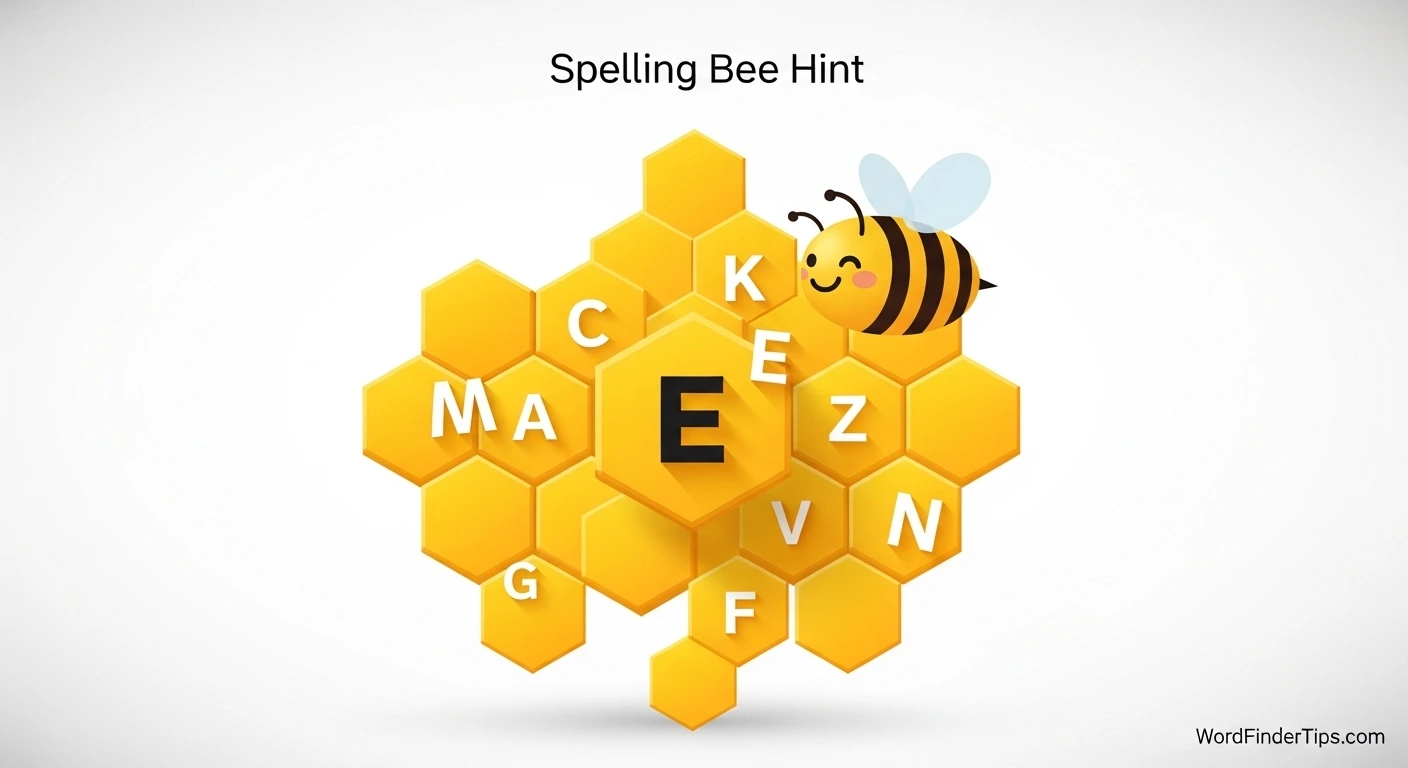
The April 18, 2026 NYT Spelling Bee drops a seven‑letter set that revolves around the center letter C. Every valid word must contain that C. The outer letters are E, K, M, O, A, B. The puzzle’s pangram is COMEBACK, a nine‑letter word that uses each of the seven letters at least once.
Letter Distribution and Frequency
The set leans heavily on consonants B, K, M and the vowel trio A, E, O. This mix creates a natural bias toward short, high‑frequency words like “cake” and “coke.” The presence of both “C” and “K” invites many “ck” endings, a classic pattern in English.
Etymology Highlights
Several answers trace back to Latin roots: “acme” (Greek “akme” meaning peak), “became” (Old English “becuman”), and “mecca” (Arabic “Makkah”). Recognizing these origins helps you spot less obvious words.
🧠 Deep Mechanic Analysis & Optimal Paths
Winning the Spelling Bee isn’t just about brute‑force word hunting. Understanding the mechanics lets you hit the “Queen Bee” rank faster.
Logic Behind the Center Letter
The rule that every word must contain C narrows the search space dramatically. Start by listing all possible two‑letter combos with C: “ca,” “ce,” “co,” “ck.” From there, expand to three‑letter stems like “cab,” “cam,” “cob.” Each stem can sprout longer words by adding the remaining outer letters.
Strategic Path to the Pangram
Spotting the pangram early saves time. Look for the longest word that uses each outer letter at least once. In this set, “COMEBACK” fits perfectly. Once you have the pangram, you can verify that every other answer shares its core letters.
Alternative Strategies
- Focus on common suffixes: “‑ed,” “‑ing,” “‑er.” The letters allow “‑ed” only in “became.”
- Search for “C‑V‑C” patterns: “cocoa,” “cocoa,” “cocoa” (repeated for emphasis) shows the vowel‑consonant dance.
- Use a mental “letter bank.” Write the seven letters on a scrap and cross out each time you use one in a word.
Optimizing Score
Each word scores points equal to its length. Longer words like “COMEBACK” (8 points) and “COOKBOOK” (8 points) boost your total quickly. Aim for at least ten words longer than five letters to reach the “Bee” rank.
✅ Today’s Winning Solutions
| Word |
|---|
| comeback |
| aback |
| acme |
| back |
| backcomb |
| became |
| beck |
| become |
| bocce |
| bock |
| cacao |
| cake |
| came |
| cameo |
| camo |
| coca |
| cock |
| cocoa |
| coke |
| coma |
| comb |
| combo |
| come |
| comma |
| cook |
| cookbook |
| emcee |
| mace |
| mecca |
| mock |
Post-Game Analysis
The puzzle’s strength lies in the “ck” cluster. Words like “back,” “mock,” and “bock” appear early and open the door to longer combos. The pangram “COMEBACK” uses every outer letter, confirming that the set is balanced for both short hits and high‑value long words.
Frequently Asked Questions
- What is the center letter for today’s NYT Spelling Bee? The center letter is C, and it appears in every valid word.
- How many words contain the pangram “COMEBACK”? Only one word, “COMEBACK,” uses all seven letters, making it the unique pangram for this puzzle.
- Can I reach the Queen Bee rank without the pangram? Yes, but the pangram adds a big point boost; without it you’ll need many long words to hit the top tier.